
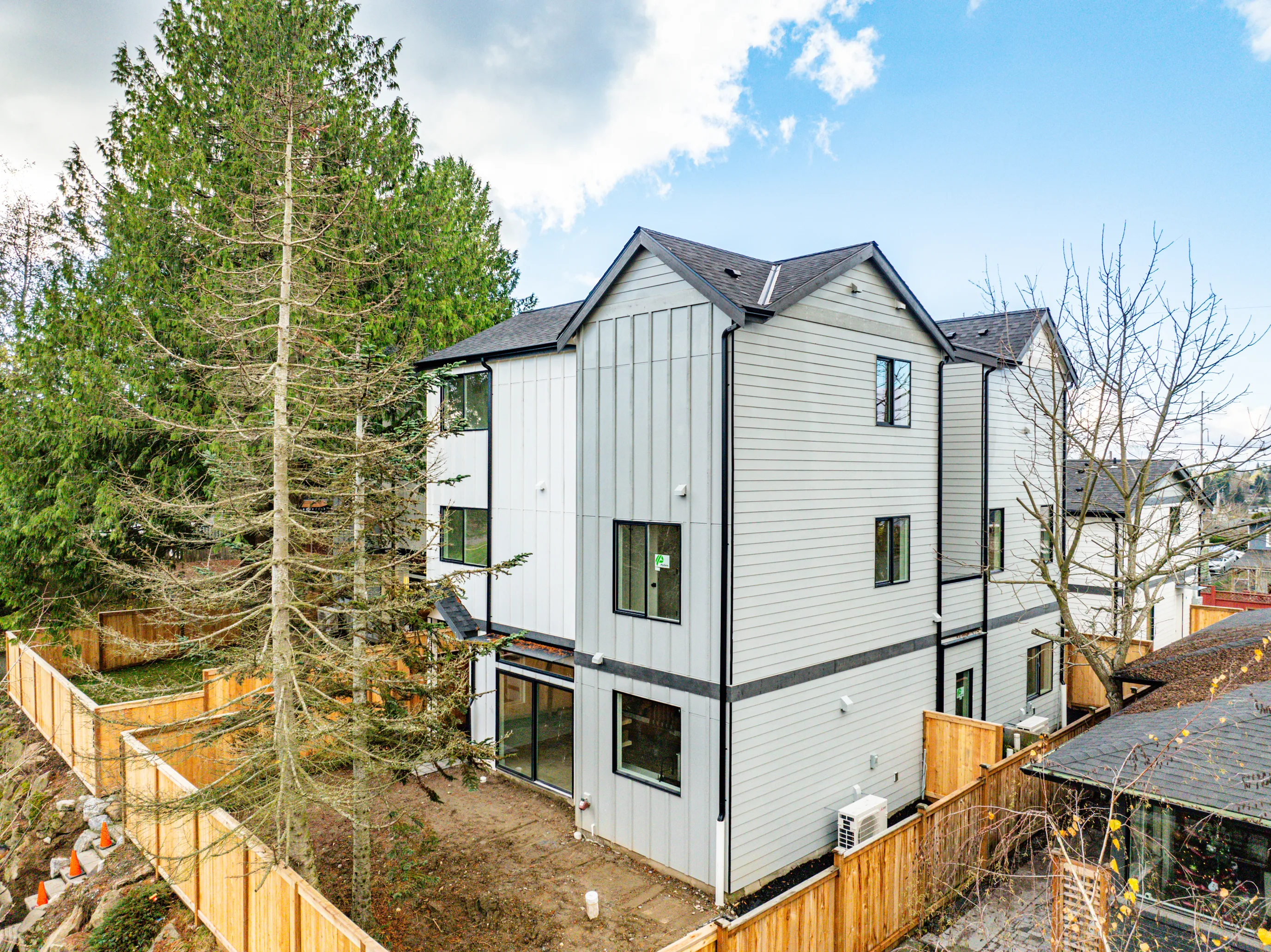
Most permit delays in Seattle don't come from hard projects — they come from unclear requirements. Homeowners guess at whether they need a permit, pick the wrong path, or skip a step the city quietly requires, and the project stalls. This guide walks through exactly how Seattle's Department of Construction & Inspections (SDCI) decides what your project needs, so you can plan with confidence before you spend a dollar on drawings.
The rule of thumb
A permit is generally triggered the moment a project changes a building's structure, floor plan, permitted use, exterior form, or life-safety conditions. Cosmetic and like-for-like maintenance usually isn't. In practice, almost every residential project falls onto one of four paths.
The four permit paths
Knowing which path you're on from day one is the single biggest factor in a realistic timeline. They range from no permit at all to a full construction permit.
- Path 1 — No building permit: cosmetic and maintenance work (paint, flooring, cabinets without moving plumbing or walls).
- Path 2 — Trade permit only: electrical, plumbing, mechanical, or side-sewer work on its own (panel upgrade, EV charger, water heater, HVAC, re-pipe).
- Path 3 — STFI building permit: smaller remodels, some decks, detached garages, and small additions that qualify for Subject-to-Field-Inspection review.
- Path 4 — Full construction permit: additions, second stories, major remodels, new homes, ADUs and DADUs, and anything on a shoreline or critical-area lot.
Projects that almost always need a building permit
If your project touches any of the following, assume a building permit is required and plan for it early.
- Additions, second stories, dormers, and footprint expansions
- Removing or altering walls, beams, posts, headers, or the foundation
- New or enlarged window and door openings
- Converting a basement, attic, or garage into living space
- Decks more than 18 inches above grade, and any roof deck
- New ADUs and DADUs
- Anything on a steep slope, shoreline, or environmentally critical lot
Projects that often don't
Some work is exempt from a building permit — but 'exempt' never means 'no rules.' You still have to meet Seattle's building, energy, and land-use codes, and electrical or plumbing work can trigger its own trade permit.
- Interior and exterior painting
- Flooring over an existing, sound subfloor
- Cabinets and finishes with no structural or plumbing changes
- Like-for-like repairs (in-kind roofing, siding)
- Small, compliant sheds and at-grade patios or walkways
Building permits vs. trade permits
These are two different things, and a job can need one, the other, or both. A cosmetic kitchen refresh might need no building permit but still require an electrical permit if you add circuits. We sort out which permits a project actually needs before anything is filed.
What an STFI permit really is
Subject-to-Field-Inspection is a streamlined building permit for qualifying smaller projects — less documentation, faster review. The catch: eligibility is not automatic, and SDCI will redirect an ineligible submittal to full review, costing you the time you were trying to save. Confirming eligibility up front is the whole game.
The quiet code that stalls remodels: energy
Washington's energy code applies whenever you create or alter conditioned space — and missing insulation, air-sealing, or mechanical documentation is one of the most common reasons a residential permit gets kicked back. Conversions of basements, attics, and garages are especially exposed.
Habitable conversions and egress
Turning non-living space into a bedroom or a legal unit triggers a specific stack of life-safety requirements: an emergency-escape egress window for each sleeping room, minimum ceiling height, light and ventilation, and fire separation. These have to be shown on the drawings before SDCI will sign off.
Shoreline, steep slope, and critical areas
Lots near water or on slopes carry extra layers — environmentally critical area review, a possible shoreline permit or exemption, a geotechnical report, and sometimes a pre-application conference. Treating one of these like a standard remodel is the fastest way to a stalled project.
Six mistakes that cost months
Almost every painful permit story we hear traces back to one of these.
- Assuming a project is exempt when it isn't
- Choosing the wrong permit path
- Drawing the design before researching what the lot allows
- Forgetting the separate trade permits
- Underestimating the energy code
- Treating a shoreline or critical-area lot like an ordinary remodel
What happens if you build without a permit
Unpermitted work can lead to a stop-work order, fines, and a requirement to expose, correct, or remove finished construction — and it routinely surfaces during a sale or refinance, complicating the deal. The good news: in most cases existing work can be legalized with targeted corrections rather than a full teardown. That's one of the most common calls we take.
Common questions
Do I need a permit to remodel a bathroom or kitchen?
If you're only swapping finishes and fixtures in the same locations, often not. The moment you move plumbing, add circuits, or alter walls, a permit (and likely a trade permit) is triggered.
Can I start work before the permit is approved?
No. Starting before issuance risks a stop-work order and fines, and any work done may have to be opened up for inspection. We keep projects moving so the wait is as short as possible.
I already built something without a permit — can you help?
Yes. We document the as-built conditions and bring them through SDCI, usually with targeted corrections rather than tearing finished work back out. This is one of the most common things we do, especially before a sale or refinance.